

O-Ring Material Selection Guide: How to Choose the Right Material for Your Application
O-rings are one of the most widely used sealing components in industrial equipment, automotive systems, household appliances, hydraulic systems, and fluid control applications. Mastering the O-ring material selection giude is essential to ensure reliable sealing performance and long service life. Different materials offer different levels of resistance.
Selecting the right O-ring material is essential to ensure reliable sealing performance and long service life. Different materials offer different levels of resistance to temperature, chemicals, oils, and environmental conditions.
1. NBR (Nitrile Rubber)
NBR is one of the most commonly used O-ring materials due to its excellent resistance to petroleum-based oils and fuels.
Advantages:
- Good oil resistance
- Cost-effective
- Suitable for hydraulic and pneumatic applications
Typical Applications:
- Hydraulic systems
- Automotive components
- Industrial machinery
Temperature Range:
-40°C to +120°C
2. EPDM (Ethylene Propylene Diene Monomer)
EPDM provides excellent resistance to water, steam, weather, and ozone.
Advantages:
- Excellent weather resistance
- Suitable for hot water applications
- Good resistance to aging
Typical Applications:
- Water systems
- Household appliances
- Outdoor equipment
Temperature Range:
-50°C to +150°C
You could learn more about nbr vs epdm o-rings from our blog.
3. FKM (Viton®)
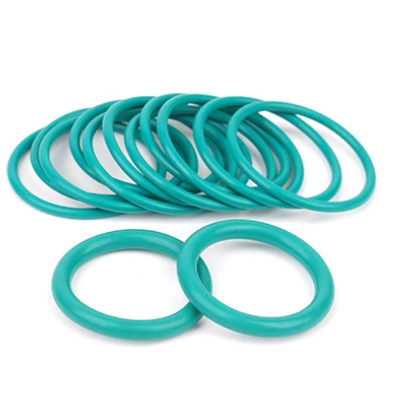
FKM is known for its excellent chemical and high-temperature resistance.
Advantages:
- Excellent chemical resistance
- Outstanding heat resistance
- Long service life
Typical Applications:
- Automotive fuel systems
- Chemical processing equipment
- High-temperature industrial applications
Temperature Range:
-20°C to +200°C
4. Silicone (VMQ)
Silicone O-rings provide excellent flexibility at both high and low temperatures.
Advantages:
- Excellent temperature resistance
- Good flexibility
- Suitable for food-grade applications
Typical Applications:
- Food processing equipment
- Medical devices
- Electrical equipment
Temperature Range:
-60°C to +200°C
Key Factors to Consider
When selecting an O-ring material, consider:
- Operating temperature
- Contact media (oil, water, fuel, chemicals)
- Pressure conditions
- Outdoor or indoor environment
- Regulatory requirements
Choosing the wrong material may result in premature failure, leakage, and increased maintenance costs.
Need Custom O-Ring Solutions?
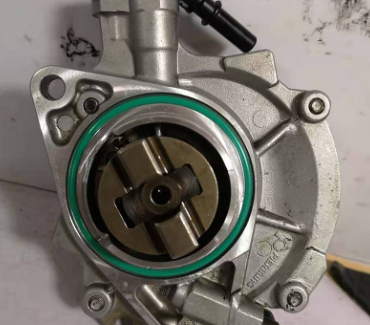
Need expert advice on O-ring material selection? At DRFPART, we provide custom O-rings and rubber sealing components for various industrial applications. Our team can help you navigate the O-ring material selection process according to your specific operating conditions and support you on how to choose rubber seal manufacturer . Contact us today to discuss your sealing requirements.
Pingback: O-Ring Squeeze Guide: How to Calculate & Design Rules
Pingback: O-Ring Tolerance: What Engineers and Buyers Need to Know
Pingback: O-Ring Installation: How to Install an O-Ring Without Damage
Pingback: Common Causes of O-Ring Failure: Analysis and Prevention Guide DRFPART
Pingback: Custom O-Ring Manufacturing: RFQ Guide for Buyers
Pingback: What Is an O-Ring & How It Works?
Pingback: O-Ring Back-Up Ring Guide: When to Use & Prevent Extrusion
Pingback: How Do O-Rings Work? Understanding O-Ring Sealing Principles