

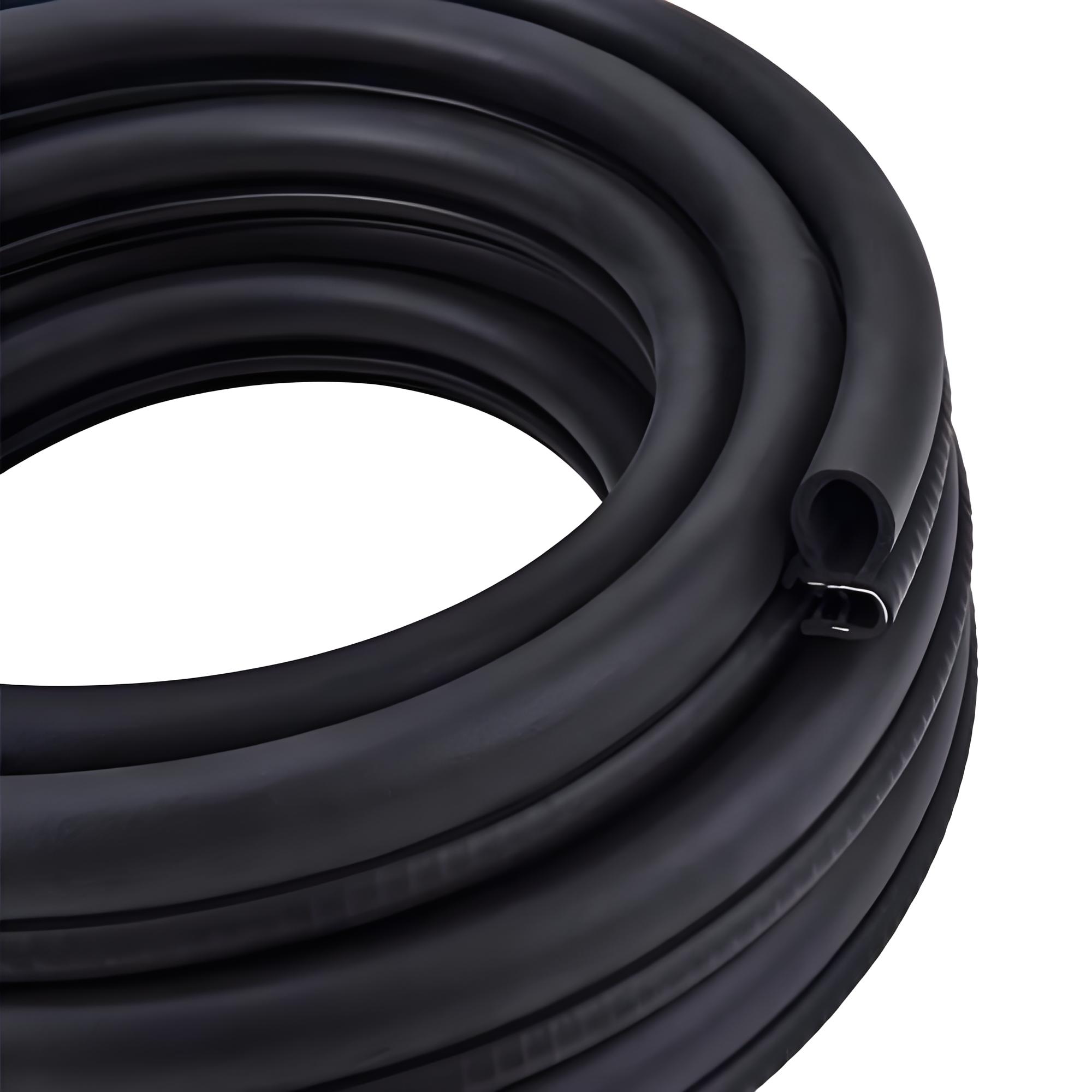
How to Improve Rubber Seal Service Life
Rubber seals play a critical role in preventing leakage and protecting equipment in industries such as automotive, home appliances, water treatment, food machinery and industrial equipment.
However, many seal failures are not caused by poor product quality but by improper material selection, installation or operating conditions.
This guide explains the key factors that can significantly improve the service life of rubber seals.
Choosing the wrong material is one of the most common reasons for premature seal failure. For a more detailed breakdown, you can check our O-Ring Material Selection Guide.
1. Select the Correct Rubber Material to improve Rubber Seal Service Life
Different working environments require different elastomers.
Some common choices include:
- NBR – Excellent oil resistance
- EPDM – Ideal for water, steam and outdoor applications
- Silicone – Suitable for high and low temperatures
- FKM (Viton®) – Excellent chemical and heat resistance
Choosing the wrong material is one of the most common reasons for premature seal failure.
2. Avoid Excessive Compression to extend Rubber Seal Service Life
A rubber seal should compress enough to create a reliable seal, but excessive compression can lead to:
- Compression set
- Permanent deformation
- Reduced sealing performance
Proper groove design is essential for maximizing seal life.
3. Install Rubber Seals Correctly
Incorrect installation may cause:
- Twisting
- Cutting
- Scratches
- Surface damage
Always ensure:
- Clean installation surfaces
- Correct installation tools
- No sharp edges
- Proper alignment
4. Use Appropriate Lubrication to improve Rubber Seal Service Life
For dynamic sealing applications, suitable lubricants can:
- Reduce friction
- Lower wear
- Prevent heat buildup
- Extend service life
Always verify lubricant compatibility with the rubber material.
5. Control Operating Temperature
High temperatures accelerate rubber aging.
Low temperatures may reduce flexibility.
Selecting materials according to the operating temperature is essential for long-term reliability.
6. Protect Against Chemical Exposure
Chemicals such as oils, acids, solvents and cleaning agents may attack rubber compounds and reduce Rubber Seal Service Life
Before selecting a seal, evaluate:
- Chemical compatibility
- Concentration
- Exposure time
- Operating temperature
7. Regular Inspection and Replacement
Even high-quality rubber seals have a finite lifespan.
Routine inspection helps detect:
- Cracks
- Hardening
- Swelling
- Wear
- Leakage
Replacing seals before failure reduces maintenance costs and equipment downtime.
Why Material Selection Matters
Many sealing problems originate from choosing the wrong material rather than poor manufacturing.
At DRFPART, our engineering team helps customers select the most suitable rubber compound based on their application, operating environment and performance requirements.
Why Choose DRFPART?
DRFPART specializes in custom rubber sealing solutions, including:
- Custom O-rings
- Rubber gaskets
- Rubber bushings
- Rubber dampers
- Molded rubber parts
- OEM & ODM services
We provide engineering support from material selection to mass production, helping customers improve sealing performance and product reliability.
Contact Us
“Are you facing premature equipment failure? Understanding how to improve rubber seal service life is essential for any industrial maintenance professional.
Selecting a partner is as important as selecting a material. Read our guide on how to choose a rubber seal manufacturer to understand what you should look for in a reliable supplier.
Contact DRFPART today to discuss your project. Our team is ready to recommend the right material and manufacturing solution for your application.
Pingback: How Do O-Rings Work? Understanding O-Ring Sealing Principles